
Your Trusted Chimney Professionals
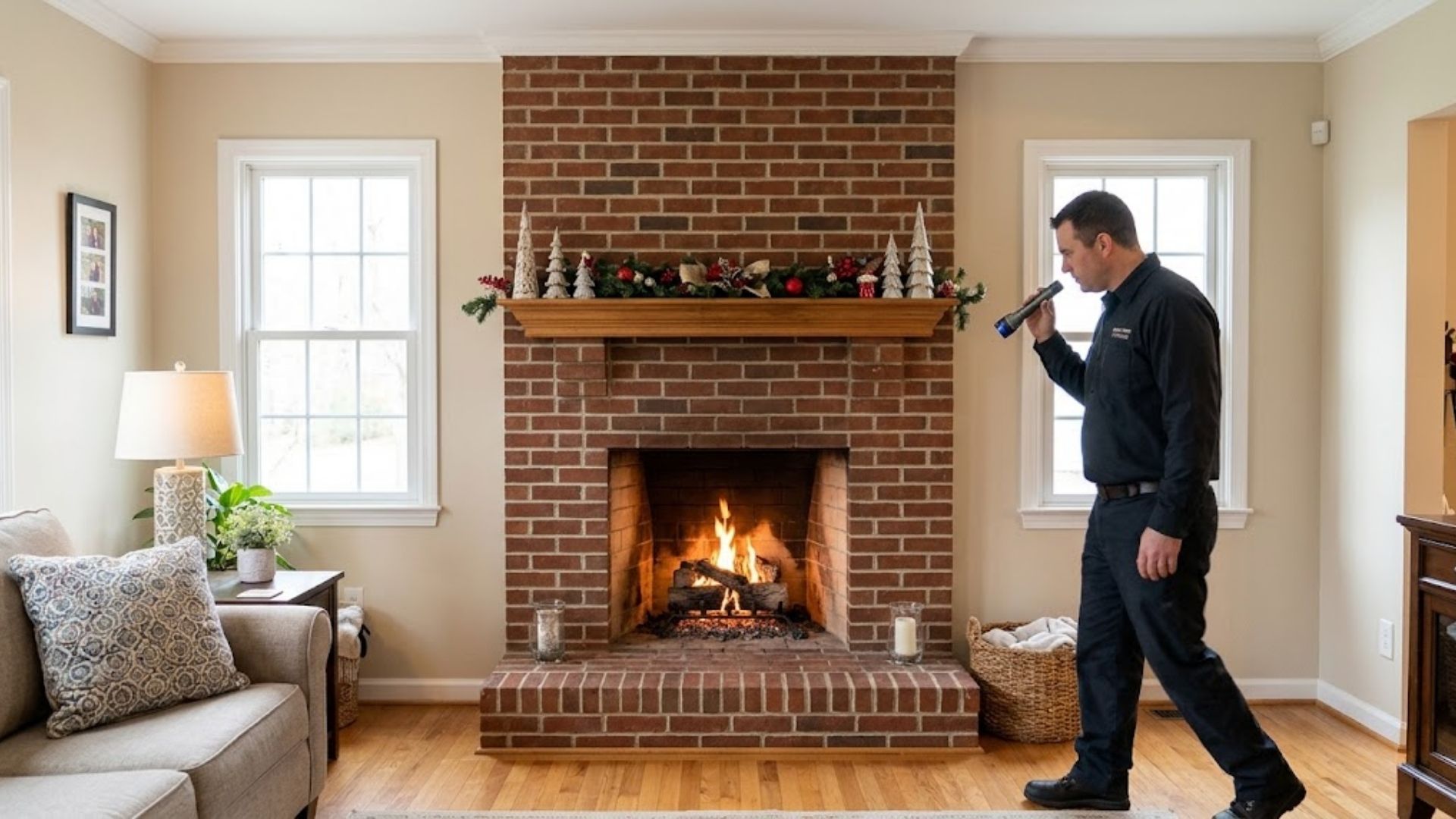
Why Fireplace Smoke Backdrafts Happen: A Homeowner’s Guide to Chimney Draft & Airflow
There is nothing quite as cozy as lighting a fire on a chilly evening, but when smoke starts billowing into your living room instead of rising up the flue, warmth quickly turns into a smoky hazard. At Chimney Care Plus, we frequently help homeowners diagnose and resolve frustrating draft issues. Understanding the delicate physics of airflow and pressure differentials within your home is the first step toward stopping fireplace smoke backdrafts for good.
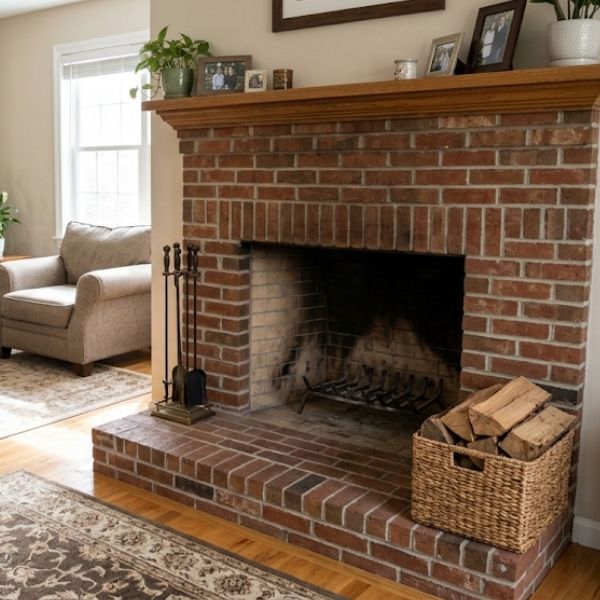
The Basics of Stack Effect and Chimney Draft
A chimney relies on dynamic temperature differences to function properly. Warm air inside the flue is lighter and less dense than the cold air outside, creating natural buoyancy that pulls combustion gases up and out of your home. This process is known as the “stack effect.” When this upward suction weakens or reverses, smoke loses its escape route and spills into your living space.
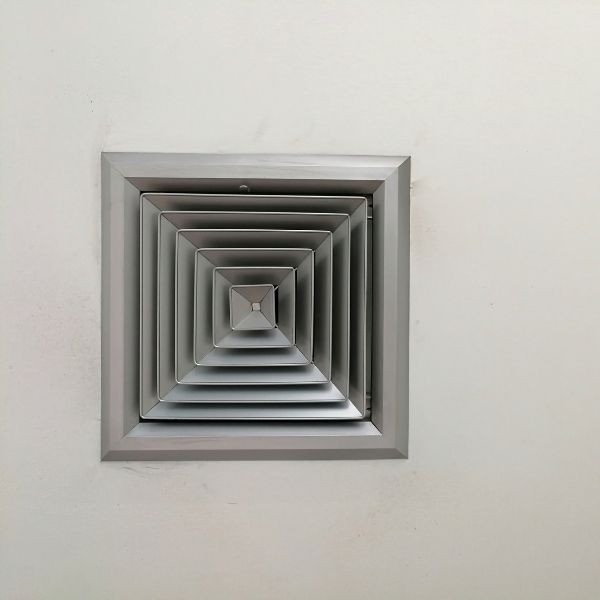
Negative Air Pressure in Modern Homes
Today’s homes are built tighter and insulated better than ever before. While great for energy efficiency, airtight construction limits the fresh air needed to feed a fire. Exhaust systems like kitchen range hoods, bathroom fans, and clothes dryers pull air out of the house, creating negative indoor air pressure. Your chimney can end up being forced to act as the air intake, sucking smoke right back down the flue.
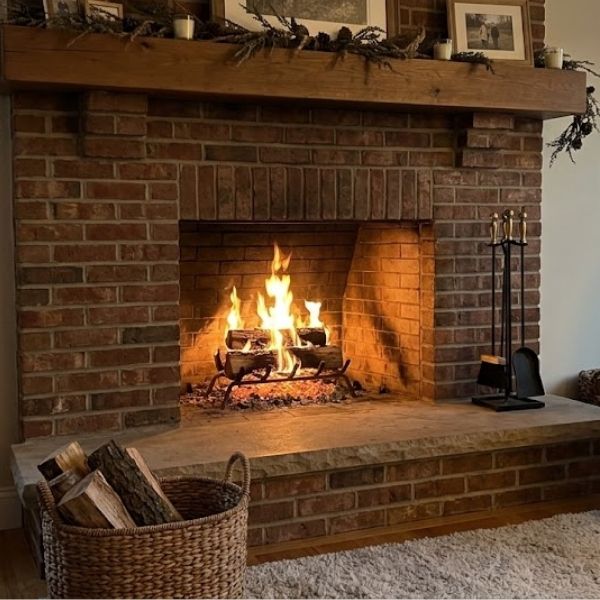
Flue Blockages and Animal Obstructions
Airflow requires an unobstructed path. Leaves, twigs, falling masonry, or animal nests left behind by birds and raccoons dramatically restrict the flue opening. When rising smoke meets a blockage, it builds up inside the chimney liner until it has nowhere else to go except back out through the fireplace opening.
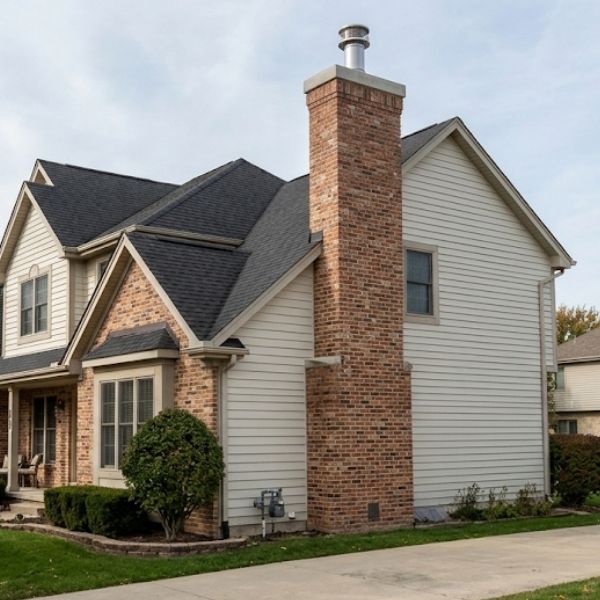
Cold Air Inversions and Flue Chilling
If your masonry chimney is built on an exterior wall, winter temperatures can chill the air trapped inside the flue while the fireplace is unused. Cold air is heavy and dense, creating a stubborn plug of high-pressure air. If you light a fire without pre-warming the flue, warm smoke hits this heavy column of cold air and bounces straight back into the room.
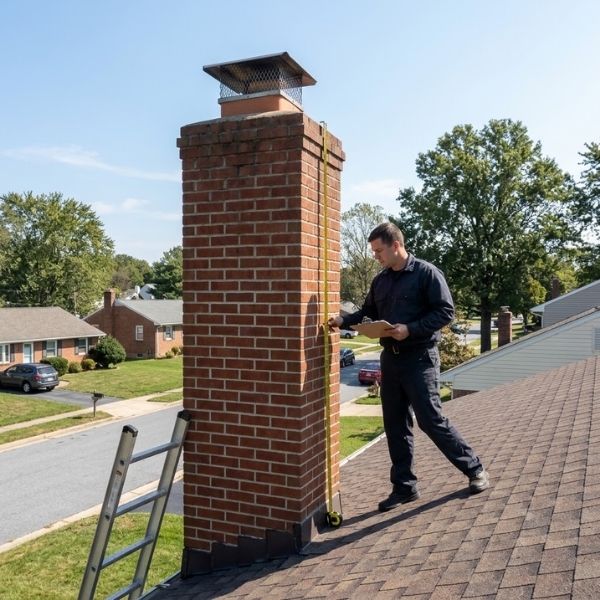
Improper Chimney Height and Wind Turbulence
Where your chimney sits relative to your roofline plays a major role in draft quality. If a chimney is too short or surrounded by nearby roof peaks and tall trees, wind whipping across the roof creates strong downdrafts. These sudden gusts overpower natural airflow and push smoke downward into your home.
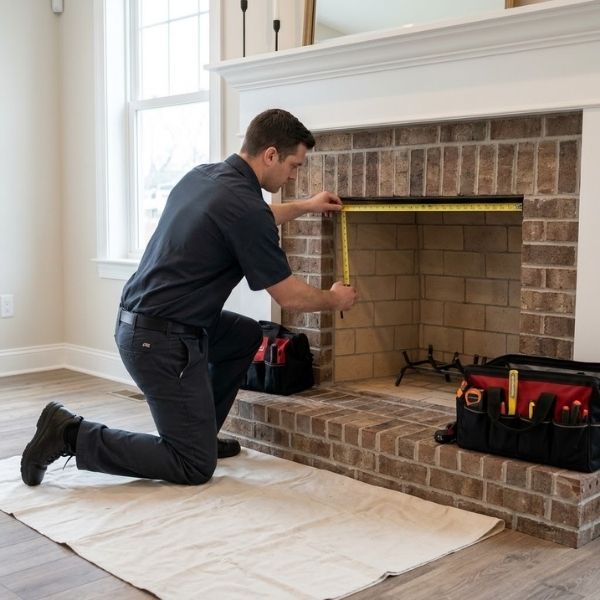
Mechanical Flue and Fireplace Sizing Mismatches
Draft efficiency depends on strict geometric ratios between your fireplace opening, firebox size, and flue liner dimensions. If the chimney flue is too large or too small for the firebox, gases cool down prematurely or bottleneck. This imbalance destroys proper velocity, making backdrafts a chronic issue every time you light a fire.
Restoring Safe Airflow to Your Home
Persistent smoke backdrafts are more than an inconvenience—they expose your household to harmful combustion gases and carbon monoxide. The certified experts at Chimney Care Plus are trained to inspect your entire system, pinpoint hidden pressure imbalances, remove dangerous blockages, and restore clean, safe draft performance to your fireplace. Contact our team today to schedule your comprehensive chimney inspection and enjoy worry-free warmth all season long.
Schedule Service
Our Chimney Sweep Blog
Why Fireplace Smoke Backdrafts Happen: A Homeowner’s Guide to Chimney Draft & Airflow
There is nothing quite as cozy as lighting a fire on a chilly evening, but when smoke starts billowing into your living room instead of rising up the flue, warmth quickly turns into a smoky hazard. At Chimney…
Read MoreThe Essential Guide to Seasonal Chimney Care and Maintenance
A wood-burning or gas fireplace brings warmth, comfort, and ambiance to any home, but safe operation depends entirely on proper system maintenance. Over time, soot accumulation, creosote buildup, structural wear, and seasonal weather exposure can create hidden hazards…
Read MoreFrom Victorian Roots to Modern Care: The Evolution of Chimney Sweeping
The crackling warmth of a hearth has gathered families together for centuries, but the hidden mechanisms keeping those fires burning safely have drastically changed. While modern hearths rely on advanced diagnostics and specialized tools, our industry’s origins are…
Read More