
Your Trusted Chimney Professionals
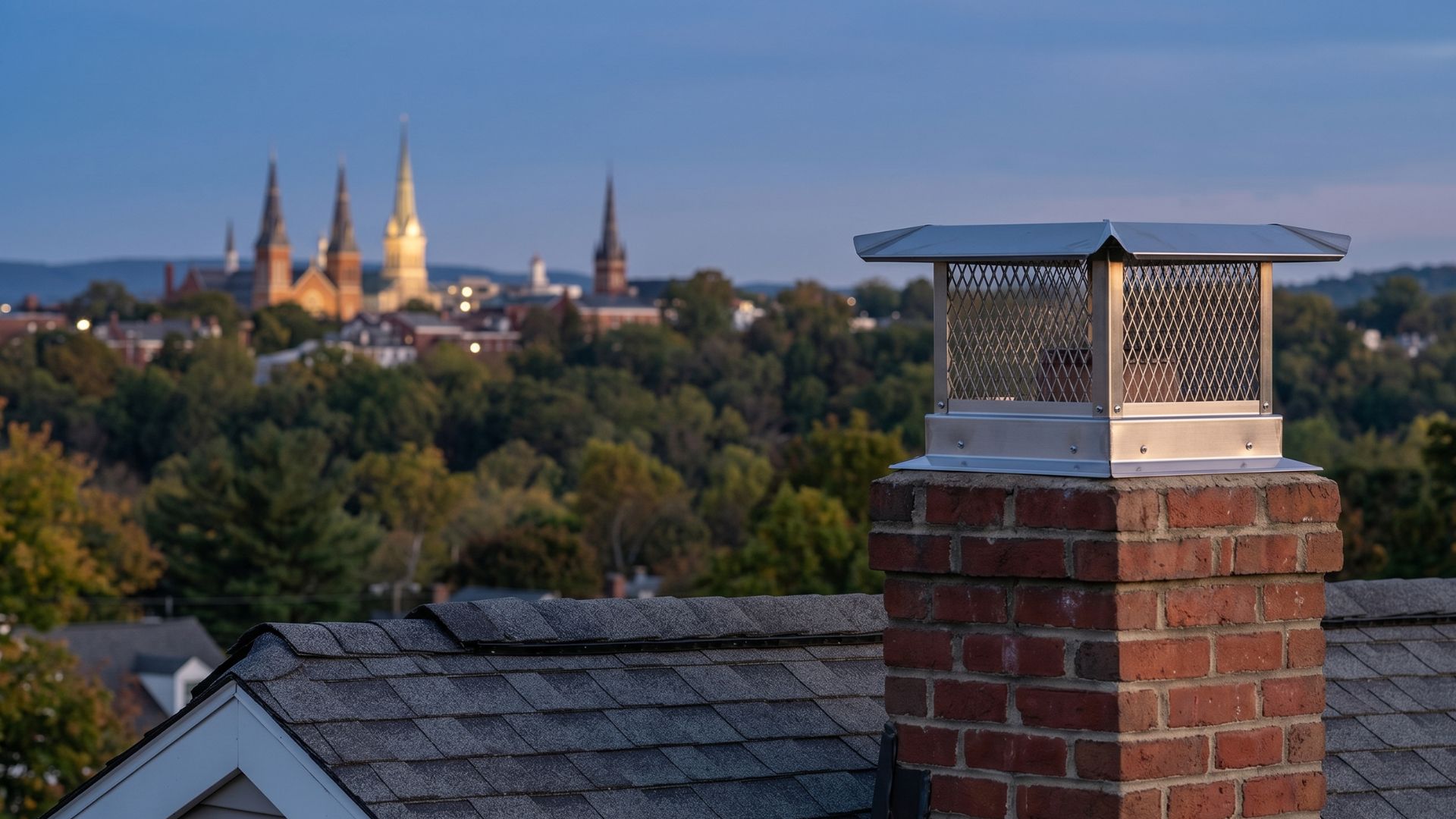
Local Wildlife Alerts: Keeping Maryland Swifts and Raccoons Out of Your Flue
For many homeowners in Frederick, MD, a fireplace is the heart of the home. However, as the seasons change, you aren’t the only one looking for a cozy retreat. Local wildlife often views your chimney as a perfect substitute for hollow trees. At Chimney Care Plus, we want to ensure your hearth remains a safe feature of your home rather than a nesting ground for unwanted guests. Understanding the habits of Maryland’s most common “squatters”—chimney swifts and raccoons—is the first step in proactive chimney maintenance. Call us today.
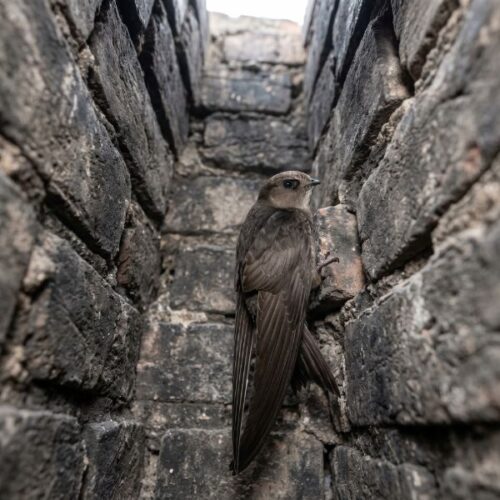
Understand the Federal Protection of Chimney Swifts
Chimney swifts are small, cigar-shaped birds that spend almost their entire lives in the air, only landing to nest or roost. Because they cannot perch on branches, they rely on vertical surfaces like the inside of your chimney flue. It is critical to know that these birds are protected under the Migratory Bird Treaty Act. This federal law makes it illegal to remove or disturb a nest once eggs or young are present. If you hear chirping in your flue during late spring or summer, you must wait until the birds migrate south in the fall before scheduling a chimney cleaning service.
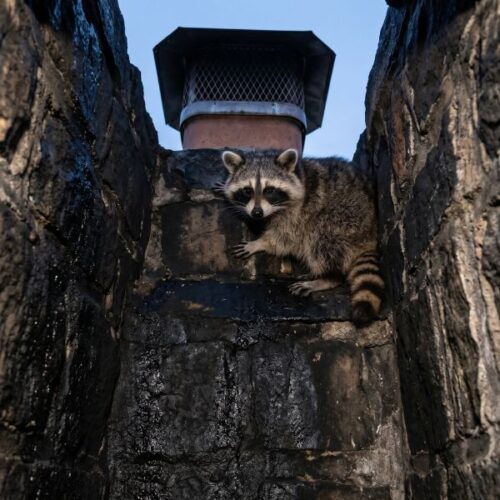
Identify the Dangers of Raccoon Denning
While swifts are mostly a noisy nuisance, raccoons can be destructive. Female raccoons often seek out uncapped chimneys in the spring to give birth. They can tear through shingles and fascia boards to gain access to your home’s interior. Beyond structural damage, raccoons are primary hosts for rabies in the eastern United States and carry parasites like roundworm, which can be transmitted to pets and humans. A professional chimney inspection is necessary to confirm if a raccoon has taken up residence before any exclusion work begins.

The Vital Role of Chimney Caps
The most effective way to keep wildlife out of your flue is the installation of a high-quality chimney cap. A cap made of heavy-duty stainless steel or copper with a sturdy mesh screen acts as a permanent barrier against birds and mammals. Without this protection, your chimney is essentially an open invitation to any animal looking for a warm, dry den.
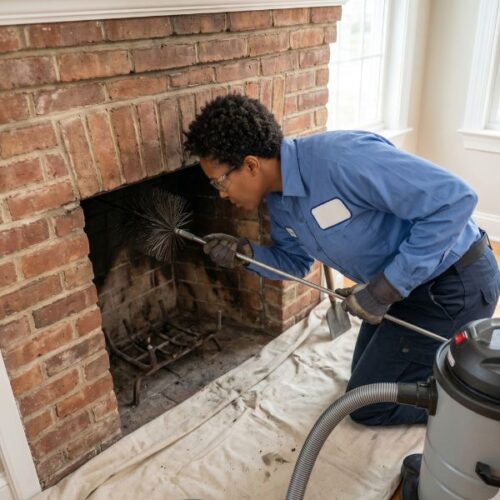
Why Professional Cleaning is Essential Post-Nesting
Once the animals have left, you cannot simply light a fire. Nests made of twigs, mud, and saliva—especially those of chimney swifts—are highly flammable and can cause a chimney fire or block the flow of carbon monoxide out of your home. Local chimney sweeps have the specialized tools to safely remove these obstructions and sanitize the area to eliminate odors and nesting pheromones that might attract next year’s brood.

Schedule Your Inspection Before the Season Starts
Proactive care is always cheaper than emergency removal. By scheduling a chimney inspection in the early spring or late summer, you can catch gaps in your masonry or damaged caps before wildlife moves in. Regular maintenance ensures that your venting system remains clear and that your Frederick home is protected year-round.
CALL US TODAY
Sharing your home with Maryland’s wildlife is part of the local charm, but your chimney shouldn’t be part of the deal. By investing in a professional chimney cleaning service and ensuring your flue is properly capped, you protect your family, your property, and the wildlife itself. If you suspect you have visitors in your chimney, contact Chimney Care Plus today.
Our Chimney Sweep Blog
Why Fireplace Smoke Backdrafts Happen: A Homeowner’s Guide to Chimney Draft & Airflow
There is nothing quite as cozy as lighting a fire on a chilly evening, but when smoke starts billowing into your living room instead of rising up the flue, warmth quickly turns into a smoky hazard. At Chimney…
Read MoreThe Essential Guide to Seasonal Chimney Care and Maintenance
A wood-burning or gas fireplace brings warmth, comfort, and ambiance to any home, but safe operation depends entirely on proper system maintenance. Over time, soot accumulation, creosote buildup, structural wear, and seasonal weather exposure can create hidden hazards…
Read MoreFrom Victorian Roots to Modern Care: The Evolution of Chimney Sweeping
The crackling warmth of a hearth has gathered families together for centuries, but the hidden mechanisms keeping those fires burning safely have drastically changed. While modern hearths rely on advanced diagnostics and specialized tools, our industry’s origins are…
Read More