
Your Trusted Chimney Professionals

What is the Difference Between a Chimney Cap and a Flue Cap?
Chimney Care Plus is the name you can trust for any of your chimney care, repair, and maintenance needs in Frederick, MD, and beyond. A chimney cap and a flue cap are both essential components of a chimney system, but they serve different purposes and offer distinct benefits. Understanding the difference between these two caps can help homeowners make informed decisions when it comes to chimney maintenance and safety. Read on to learn more and get in touch with us today for any of your chimney service needs.
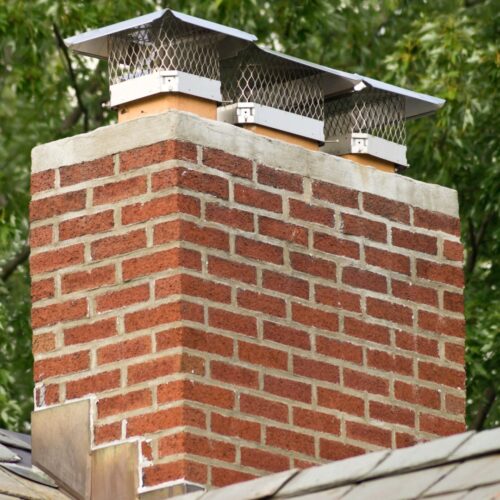
What is a Chimney Cap?
A chimney cap is a protective covering that is installed on the top of the chimney stack. Its primary function is to prevent rainwater, debris, animals, and birds from entering the chimney flue. Chimney caps typically consist of a metal structure with mesh sides that allow smoke and gases to exit the chimney while blocking unwanted intrusions.

The Benefits of Chimney Caps
Chimney caps offer several important benefits for homeowners. By preventing water from entering the chimney, they help to protect the masonry and flue liner from water damage, such as efflorescence, spalling, and deterioration. Additionally, chimney caps help to prevent the buildup of leaves, twigs, and other debris that can create blockages and pose fire hazards. Furthermore, chimney caps act as spark arrestors, reducing the risk of chimney fires by preventing hot embers from escaping and landing on the roof or nearby combustible materials.

What is a Flue Cap?
On the other hand, a flue cap – also known as a flue top damper or top-sealing damper – is specifically designed to seal off the chimney flue when the fireplace is not in use. Unlike a traditional chimney damper located within the flue, a flue cap is installed at the top of the flue and can be controlled by a lever or cable mechanism inside the fireplace.

The Benefits of Flue Caps
Flue caps offer several advantages for homeowners looking to improve energy efficiency and draft control in their chimney system. By creating a tight seal at the top of the flue, flue caps prevent warm air from escaping up the chimney when the fireplace is not in use, reducing heat loss and improving overall energy efficiency. Flue caps also help to block downdrafts and drafts, minimizing cold air infiltration and maintaining a more comfortable indoor environment.
While both chimney caps and flue caps are essential components of a chimney system, they serve different purposes and provide unique benefits to homeowners. Chimney caps protect the chimney from water, debris, and animals, while flue caps improve energy efficiency and draft control by sealing off the flue when the fireplace is not in use. By understanding the difference between these two caps, homeowners can make informed decisions to protect their chimney system, enhance safety, and improve energy efficiency in their home. Contact us today to schedule a service!
Schedule A Service
Our Chimney Sweep Blog
Why Fireplace Smoke Backdrafts Happen: A Homeowner’s Guide to Chimney Draft & Airflow
There is nothing quite as cozy as lighting a fire on a chilly evening, but when smoke starts billowing into your living room instead of rising up the flue, warmth quickly turns into a smoky hazard. At Chimney…
Read MoreThe Essential Guide to Seasonal Chimney Care and Maintenance
A wood-burning or gas fireplace brings warmth, comfort, and ambiance to any home, but safe operation depends entirely on proper system maintenance. Over time, soot accumulation, creosote buildup, structural wear, and seasonal weather exposure can create hidden hazards…
Read MoreFrom Victorian Roots to Modern Care: The Evolution of Chimney Sweeping
The crackling warmth of a hearth has gathered families together for centuries, but the hidden mechanisms keeping those fires burning safely have drastically changed. While modern hearths rely on advanced diagnostics and specialized tools, our industry’s origins are…
Read More