
Your Trusted Chimney Professionals
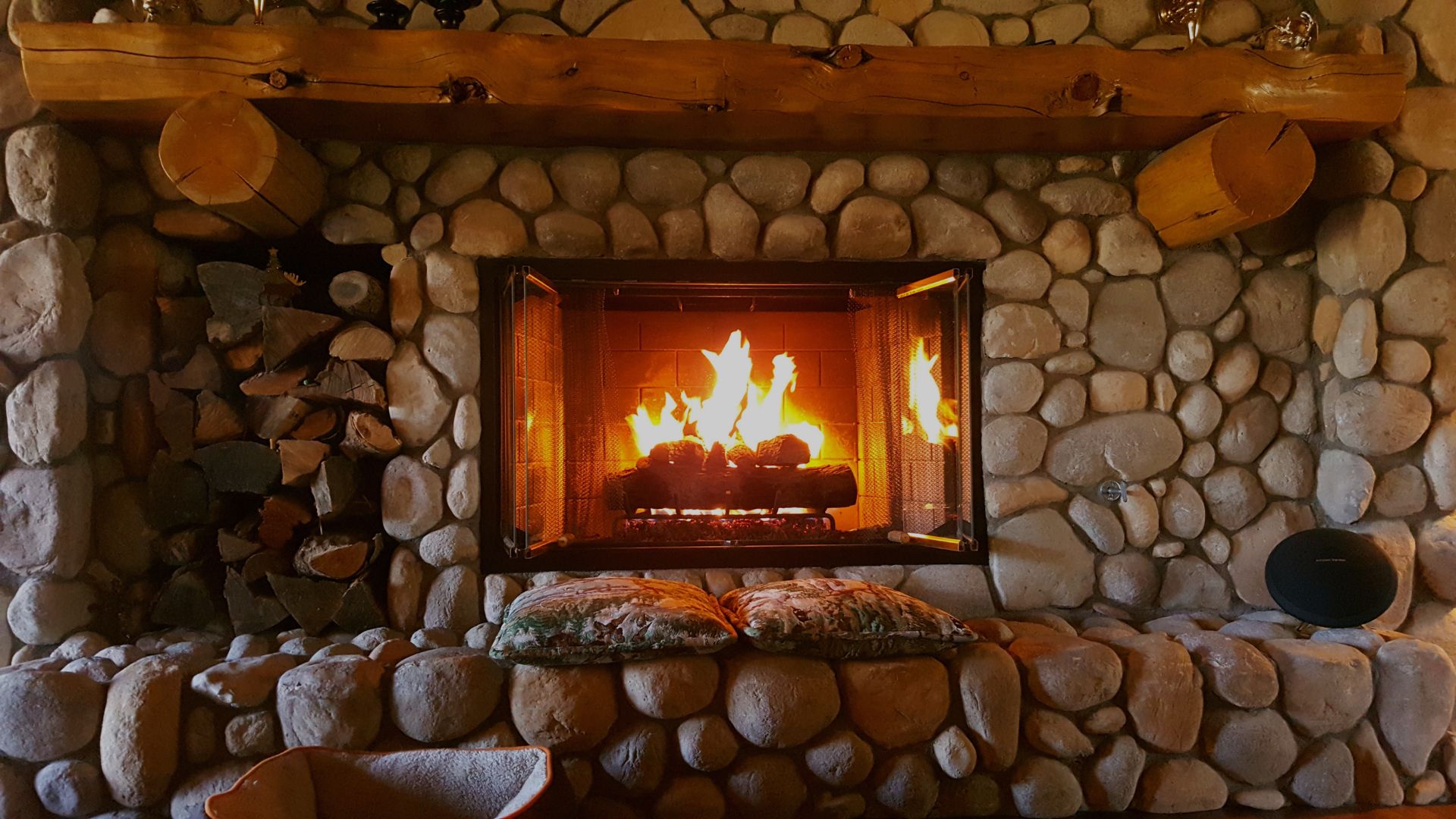
Understanding the Parts of a Chimney
At Chimney Care Plus, we believe that understanding the parts of a chimney can help homeowners appreciate the importance of regular maintenance and chimney inspections. In this blog, we’ll break down the key chimney components, explaining their functions and why they need proper care.
The Chimney Flue
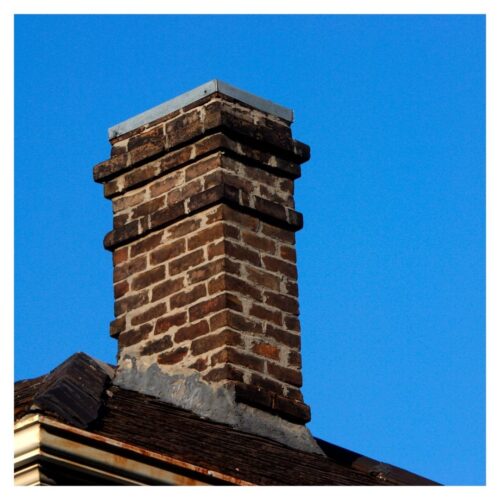
The flue is one of the most critical parts of a chimney. It’s the passageway that allows smoke and gases to escape from your fireplace and exit safely through the top of the chimney. Flues can be lined or unlined, with most modern chimneys featuring a flue liner made of clay tiles, metal, or a concrete-like material. The liner protects the chimney walls from heat and corrosion, ensuring that harmful gases are vented properly. During a chimney inspection, checking the condition of the flue liner is essential, as cracks or damage can lead to dangerous leaks and inefficient venting.
The Chimney Crown
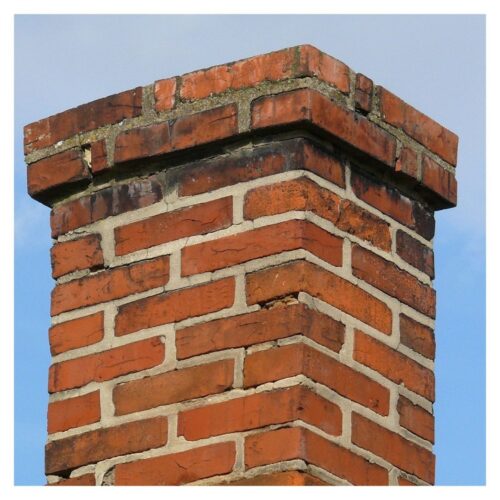
Sitting at the very top of the chimney, the chimney crown is a protective cap that covers the opening. It’s designed to prevent rain, snow, and debris from entering the chimney while also directing water away from the flue. The crown is often made of concrete and should be slightly sloped to ensure water runoff. Over time, the crown can crack or deteriorate, leading to water damage inside the chimney. Regular maintenance and chimney inspections help identify any issues with the crown before they cause more significant problems.
The Chimney Cap
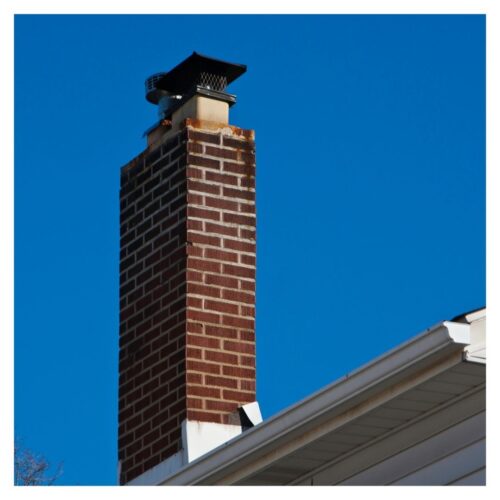
The chimney cap is an additional protective component that sits above the chimney crown. It typically features a mesh screen that prevents animals, leaves, and other debris from entering the chimney while allowing smoke and gases to escape. The chimney cap also helps prevent downdrafts, which can push smoke back into your home. Installing a chimney cap is a simple yet effective way to protect the entire chimney system and enhance its safety and efficiency.
The Smoke Chamber and Smoke Shelf
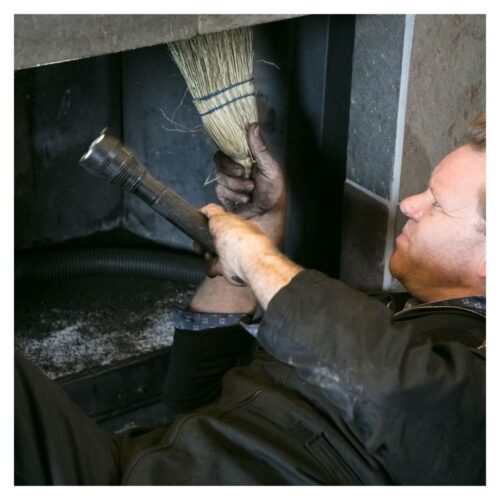
Located just above the fireplace, the smoke chamber and smoke shelf are essential parts of a chimney that help direct smoke from the fireplace into the flue. The smoke chamber is the area where smoke gathers and begins its journey up the flue, while the smoke shelf is a flat surface that catches falling debris and prevents it from blocking the flue. These components must be correctly designed and maintained to ensure efficient smoke ventilation and prevent smoke from leaking into your home.
The Damper
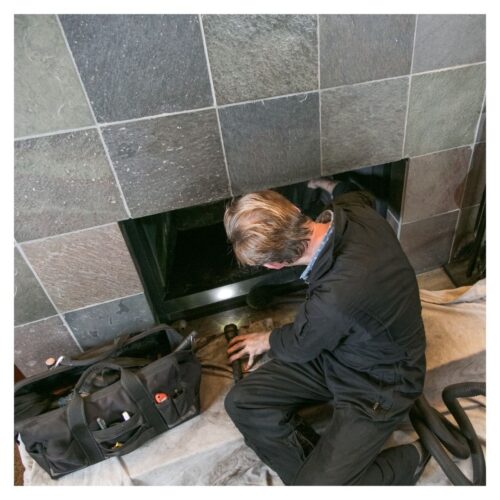
The damper is a movable plate located inside the chimney flue, usually near the base of the chimney. It can be opened or closed to control the flow of air and smoke. When the fireplace is not in use, the damper should be closed to prevent cold air from entering your home and warm air from escaping. During a chimney inspection, ensuring that the damper is functioning correctly is vital for both energy efficiency and safety.
At Chimney Care Plus, we offer comprehensive chimney inspection services to keep your chimney in top condition. Contact us today to schedule an inspection and ensure your chimney components are functioning at their best.
Contact Us
Our Chimney Sweep Blog
Late-Summer Chimney Prep: Protecting Your Masonry Before Autumn Rains
August brings warm days, but it also signals the countdown to cool fall weather and heavy seasonal storms. Taking action now gives masonry materials time to cure properly in warm weather while ensuring your fireplace is completely ready…
Read MoreCarbon Monoxide & Your Chimney: Critical Safety Tips Every Frederick Homeowner Needs to Know
While fireplace season is likely the last thing on your mind during the warm summer months in Frederick, Maryland, this season is actually a critical time to think about chimney safety. Carbon monoxide is a silent, invisible threat…
Read MoreLocal Wildlife Alerts: Keeping Maryland Swifts and Raccoons Out of Your Flue
For many homeowners in Frederick, MD, a fireplace is the heart of the home. However, as the seasons change, you aren’t the only one looking for a cozy retreat. Local wildlife often views your chimney as a perfect…
Read More